

One wasp inside the house is usually not a crisis. It’s disorienting and it can escalate quickly if you handle it badly. But, in most cases, there’s a straightforward way out for both of you.
Why There’s a Wasp Inside
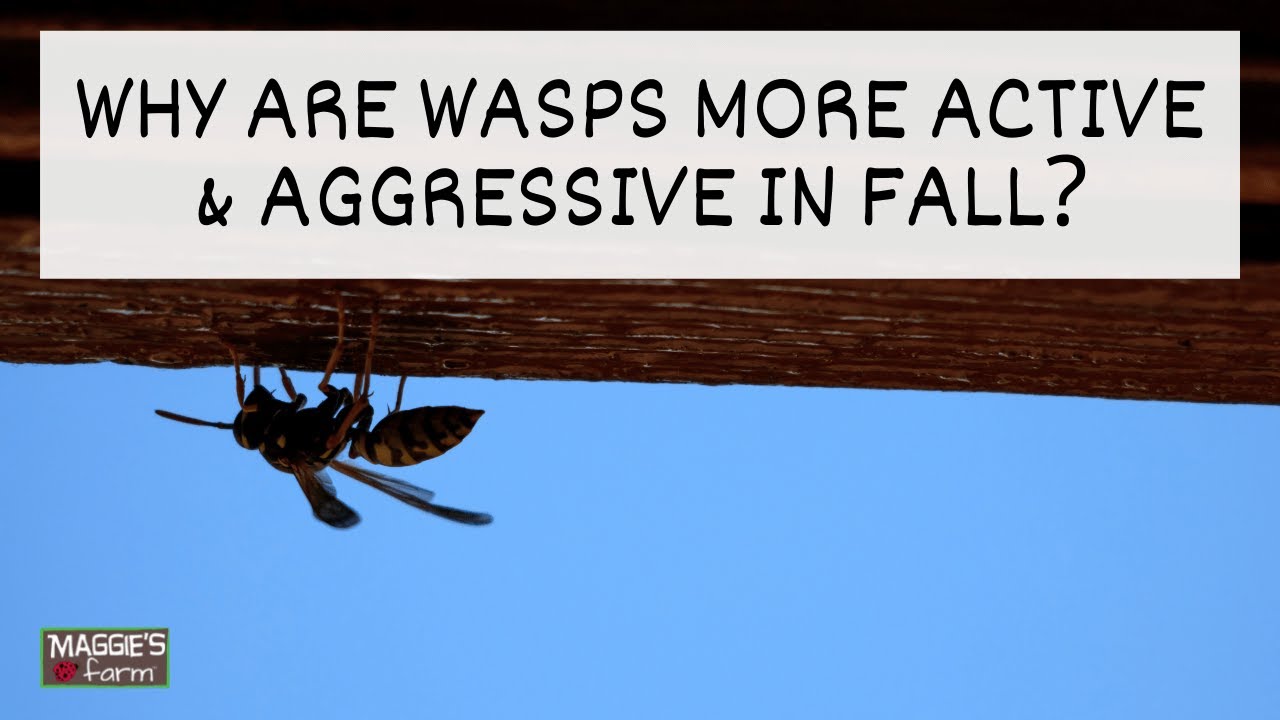
Wasps don’t come inside looking for food the way ants do. How they get in and why usually points to something fixable. The answer matters because a wasp that wandered in through an open window and a wasp that navigated out of a wall void nest need very different responses.
How Wasps Find Their Way In
Late summer is when it happens most. Wasp populations peak in August and September; workers range farther from the nest, and the combination of open windows and interior lighting draws them in. Wasps navigate toward light. A lit room at night with a gap around a screen is enough.
Beyond that, they get inside through structural gaps: spaces around utility penetrations, soffits, deteriorated weatherstripping, and openings where siding meets trim. A wasp appearing repeatedly in the same room with no obvious entry nearby is navigating from a nest inside the structure, not wandering in from outside.
Late in the season, worker wasps also become more erratic. The colony is winding down, the queen has stopped laying, and workers no longer have larvae to feed. Without that purpose, they forage more widely and behave less predictably.
A wasp in your house in September behaves differently from one in June. It’s less goal-oriented, more likely to end up somewhere unusual, and more likely to sting without clear provocation.
How to Remove It Without Getting Stung
Stay calm. A wasp that’s landed on a surface isn’t looking to sting you. It’s disoriented, and rapid movement toward it triggers a defensive response. The goal is to give it a way out, not to corner it.
Open the nearest window or exterior door fully. If the wasp is near a window, raise the blind or shade so the light outside is visible. Wasps navigate toward light and will move toward the opening on their own.
If it’s on a surface and not moving, place a glass over it, slide a piece of paper underneath, and carry it outside. Don’t swat at it. A missed swat agitates the wasp, leaving you with an angry insect in an enclosed space. Most people who get stung indoors do so while trying to kill the wasp rather than guide it out.
Behind a closed door or in a small bathroom, a wasp has fewer escape routes and will feel more threatened. Keep the room dark, open one exit point, and leave. Give it ten minutes. The wasp will find the light on its own.
Avoid aerosol sprays indoors near food surfaces or in poorly ventilated rooms. If you use one, do it as a last resort and open the space up afterward.
One Wasp or a Nest Problem?
One wasp that came through an open window is an inconvenience. Finding wasps inside repeatedly, or in different rooms, is a different situation. Work out which one you’re dealing with before deciding what to do. The two situations look similar on the surface, but the right response is completely different.
How to Tell the Difference
Outside wasps appear near the entry point, behave erratically, and don’t repeat. A wasp from a nest inside the structure appears in the same general area, at similar times of day, and in small numbers across multiple days.
Check where they appear most: look for wasps emerging from gaps in walls, ceiling fixtures, vents, or window frames. Our pest library covers the most common nesting species and their behavior in detail.
A single wasp in spring or early summer is almost certainly an incidental entry. Multiple wasps in the same interior location from July through September point toward a nest. Yellow jacket and bald-faced hornet colonies reach peak population in late summer, which is when indoor sightings from a wall void nest become most frequent.
Wasps don’t die off in winter the way people expect. The colony does collapse, but mated queens overwinter in protected spaces and start new colonies in spring. A nest in your wall cavity that goes untreated this year becomes the starting point for next year’s activity.
What to Do if There’s a Nest Inside
Trying to remove a nest without the right equipment triggers a defensive swarm. Paper wasps, yellow jackets, and bald-faced hornets all respond differently and need different treatment methods. Getting it wrong makes the situation significantly worse.
The species matters more than people realize. Paper wasps build small open-comb nests and are relatively easy to treat. Yellow jackets nest in enclosed cavities and defend them aggressively. Bald-faced hornets build large papery nests and will pursue a threat well beyond the nest site. Treating all three the same way is a common mistake with painful consequences.
When to Leave It and When to Call a Pro
A small paper wasp nest under an eave, away from doorways and foot traffic, can sometimes wait until the colony declines in fall. Yellow jackets in a wall void can’t wait. They’re aggressive when disturbed; their nests hold thousands of workers by late summer; and sealing the void without treating it first drives them further into the structure.
Wasps emerging from an interior wall, ceiling, or vent mean the colony is already inside. Act on it. Our residential pest control team locates the nest before treating, uses the right product for the species, and treats in a way that doesn’t push the colony deeper.
Get Wasp Control From proof.
If wasps keep appearing inside and you haven’t found where they’re coming from, the nest is probably closer than you think. Don’t wait until the colony peaks. We’ll inspect the structure, locate the colony, and treat it before the season gets any further along. Call us at 888-291-5333 or visit our service areas page to find the office nearest you. We serve homeowners across: