

It’s 11 p.m., the AC kicked off for the night, and something skitters across the kitchen counter. In Phoenix, that’s usually the moment someone reaches for their phone and types “natural roach repellent” into a search bar, hoping there’s a fix that doesn’t involve a can of spray. We get that call a lot, and the honest answer is a little more complicated than yes or no.
Why Roaches Thrive in Desert Heat
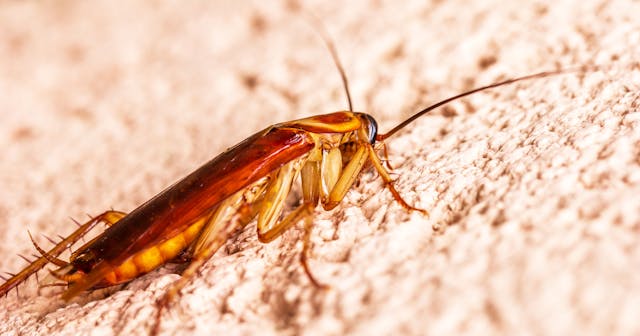
Roaches aren’t drawn to heat itself. They’re drawn to what heat does to a house. Once temperatures push past 100 degrees for weeks at a stretch, cockroaches move indoors. They chase moisture, not warmth, since a Phoenix summer dries out every outdoor water source they’d normally use.
Kitchens and bathrooms become the only reliable water on the block, and that’s exactly where we find them.
Rock landscaping is part of the problem too. It holds heat long after sunset, giving American cockroaches (the big ones people call palmetto bugs) a warm staging ground before they slip in through irrigation boxes and block walls.
German cockroaches skip that step entirely. They rarely come from outside at all. Most German roach problems start with an egg case hitching a ride in a grocery bag or a used appliance. A moving box works too, especially during a move-in, and it spreads from there because a German cockroach can complete its full life cycle in about six weeks.
Monsoon season makes this worse. When outdoor humidity spikes in July and August, both species get more active right as the storms start, and homeowners who haven’t had a roach problem all summer suddenly see two or three in a week.
Common Entry Points at Home
A few spots account for most of the roach traffic we see in Valley homes:
- Expansion joints where the slab foundation meets the exterior wall
- Weep holes along stucco that were never screened
- Gaps around AC line sets on the side of the house
- Under-sink plumbing penetrations that were never sealed after install
None of these are dramatic openings. A roach only needs about the thickness of a quarter to get through, so a gap that looks harmless from across the room is often wide open at roach scale. We’ve found active trails behind kitchens where the only visible gap was a hairline crack in stucco no wider than a pencil.
Popular DIY Roach Repellents Tested

Search “natural cockroach control” and the same handful of home remedies show up every time: bay leaves in the cabinet, a bowl of baking soda and sugar by the stove. Cucumber peels and chalk lines make the rounds too, usually with the same shaky reasoning behind them.
Some of these have a real mechanism behind them. Boric acid mixed with a little sugar does kill roaches that eat it, since it damages their digestive tract slowly enough that they carry it back to the nest first.
That’s the one home remedy with actual data behind it, though it needs to go in cracks and gaps rather than open counters if there are pets or kids in the house. This is because the powder form is easy to track around once disturbed.
Getting Bait Placement Right
Location matters as much as the product itself. Roaches rarely nest out in the open, so bait dropped on a counter does far less than the same amount tucked into a crack along their actual travel path:
- Under the fridge and along cabinet toe-kicks in the kitchen
- Pantry shelving holds onto food residue long after a spill gets wiped up
- Check the gap where under-sink pipes meet the wall
- Bathroom cracks near the tub or toilet base work too, since roaches need water more than food
Spreading a little bait across several of these spots beats dumping a large pile in one. None of it works particularly well if roaches have an easier meal sitting out, though. Crumbs left on the counter or dishes soaking in the sink overnight give them a better option than the bait every single time, so the two have to happen together.
Bay leaves and cucumber peels don’t hold up the same way. The idea is that roaches dislike the scent, but the compounds fade within a day or two in a hot kitchen, and roaches simply route around a patch they don’t like rather than leaving the house entirely. We’ve seen plenty of kitchens with bay leaves tucked into every drawer and roaches still active two cabinets over.
Essential Oils and Herbal Sprays
Not every oil on this list does the same thing. A few genuinely repel roaches from a treated surface for a short window:
- Peppermint oil diluted in water, sprayed along baseboards
- Cypress oil, less common but effective against American roaches specifically
- Catnip sachets tucked into cabinet corners
- Citrus peels rubbed along entry points
The catch is durability. Oils evaporate, and in a house running the AC on a summer cycle, most of these need reapplying every day or two to keep working. That’s a lot of upkeep for a partial result, and it does nothing for roaches already established behind the walls.
None of this means the natural approach is worthless. Boric acid placed correctly and essential oils used along known entry points can genuinely reduce activity while you figure out where roaches are getting in. The mistake is treating that as the whole solution instead of the first step.
When Natural Methods Fall Short
A single female German cockroach produces an egg case every few weeks, and each case contains 30 to 40 nymphs. That’s the real problem with a natural roach repellent: it treats what you can see and skips everything you can’t.
Sprays and oils sit on exposed surfaces. Egg cases get tucked behind cabinet backs and inside appliance motors. Under baseboards works too, anywhere nothing topical ever reaches.
That’s also why so many people tell us they’ve tried “everything” and nothing sticks. What they’ve tried usually works on contact, and contact was never the problem. Real cockroach control in Phoenix means going after the sites the sprays never reached.
Our residential roach control service targets nest sites directly, using materials that roaches carry back to the colony rather than just those that happen to wander across a treated countertop. It’s a dedicated two-visit treatment built specifically for active roach problems, separate from our standard seasonal service.
The first visit includes a full inspection inside and out along with a foundation treatment, and the interior gets treated as well. The second visit follows up on that work, so any activity that surfaces in between gets addressed before it has a chance to rebuild.
Ready for Real Roach Control? Call proof..
If the DIY approach has bought you a few quiet weeks but the roaches keep coming back, that’s usually the egg cases talking, not a sign you did something wrong. A house that gets treated once for visible roaches and never again for the nest will keep producing new roaches every six weeks or so, right on schedule with the German cockroach life cycle.
Give us a call at 888-291-5333 or reach out through our contact page, and we’ll get a technician out to find where they’re actually nesting, not just where you’ve been seeing them.
proof.. Pest Control handles roach and cockroach treatment at these locations: